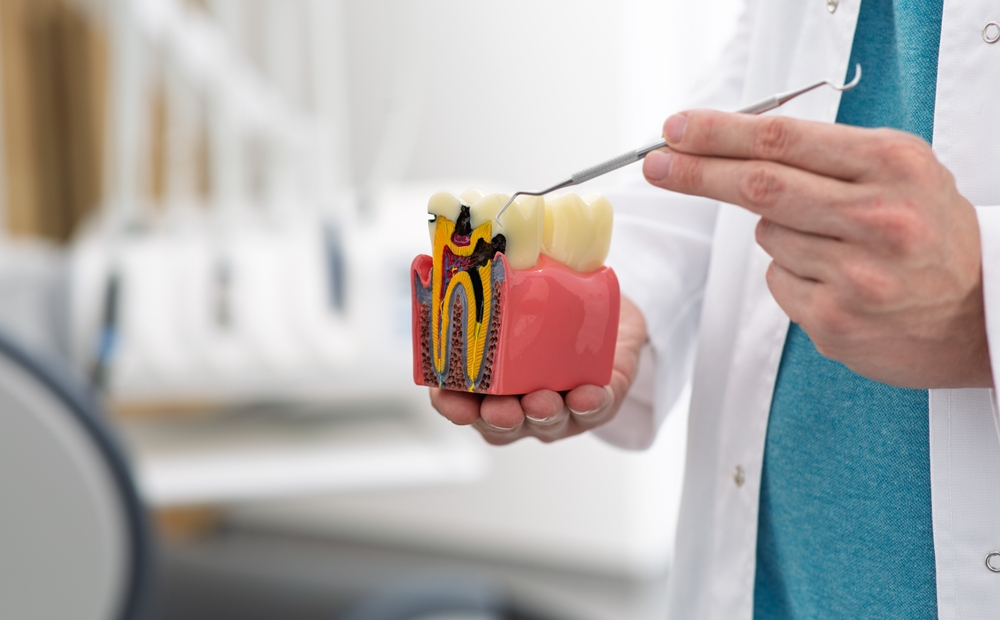
Root canal treatment is often thought to be painful, but it helps relieve pain caused by an infected or badly damaged tooth. The dentist uses local anaesthesia to numb the area, so you usually feel little discomfort during treatment. Your tooth may feel sore afterward, but this often gets better within a few days. The degree of discomfort depends on how severely the tooth and surrounding tissues are affected. A dentist in Dearborn can check your teeth, explain the treatment, and help you manage any discomfort.
Knowing what happens during a root canal can help you feel less worried and understand how the treatment can help save your natural tooth.
Does Root Canal Therapy Hurt During Treatment?
Root canal therapy in Dearborn should not cause sharp pain when the tooth is properly numbed. Local anaesthesia helps prevent pain while the dentist removes infected or inflamed tissue from inside the tooth and cleans the inner space.
You may notice pressure, movement, or vibrations from dental instruments. If you feel pain during treatment, tell the dental team so the area can be checked and additional anaesthesia can be considered.
The goal is to treat the source of the problem, not add to the pain already caused by the damaged tooth.
Why Do People Associate Root Canals With Pain?
Much of the fear comes from older stories or experiences with severe toothaches before treatment. A tooth with deep decay or infection can cause severe pain, especially when the inner tissue becomes inflamed.
Pain may also be linked to swelling or infection around the root. In these cases, the discomfort may be present before the appointment rather than caused by the treatment itself.
A dentist near you can check the source of the pain and explain whether root canal treatment, another procedure, or a different approach is needed.
What Can You Expect After a Root Canal?
Some tenderness around the treated tooth is common after the numbness wears off. The tissues around the root may remain sensitive for a short time, especially if the tooth was infected before treatment.
After treatment, you may notice:
- Mild soreness when biting or chewing.
- Tenderness around the treated tooth.
- Sensitivity in the nearby gum area.
- Gradual improvement over several days.
Follow the aftercare instructions provided by the dental team. Avoid chewing hard foods on the treated tooth until advised that it is safe. Contact the dentist if pain becomes severe, swelling develops, or symptoms do not improve as expected.
How Can You Make Root Canal Treatment More Comfortable?
A few simple steps can help you feel more prepared and support recovery.
- Share your concerns: Explain any dental anxiety or previous difficulties with anaesthesia.
- Ask about pain relief: Your dental team can explain how they will numb the area and what options can help reduce pain.
- Follow care instructions: Take any recommended medicine as directed.
- Eat soft foods at first: Choose soft foods and avoid biting hard foods with the treated tooth while it feels sore.
- Keep the follow-up visit: Further treatment may be needed to restore and protect the tooth.
For root canal therapy in Dearborn, the treatment plan should reflect the condition of the tooth and your individual needs. A crown or another restoration may be recommended afterward to help protect the tooth, depending on how much healthy structure remains.
What Happens if You Avoid a Needed Root Canal?
Leaving an infected or badly damaged tooth untreated can allow the problem to worsen. Pain may continue, and infection can spread into nearby tissues. In some cases, the tooth may become too damaged to save.
Root canal therapy removes the affected tissue inside the tooth, cleans the inner space, and seals it. This can help preserve the natural tooth when treatment is suitable.
A dentist in Dearborn can assess the tooth and explain the potential risks of delaying care, as well as any suitable alternatives.
Move Forward With a Clearer Picture of Your Dental Care!
Tooth pain can make even a routine dental visit feel stressful, especially when the treatment seems unfamiliar. Learning how the process works, what comfort measures may be available, and how to care for your tooth afterward can help you feel more prepared. Getting clear answers before treatment also makes it easier to understand your choices and decide on the next step for your oral health.
At Hashwi Dental, you can discuss your symptoms, learn what to expect during treatment and recovery, and explore suitable ways to protect your natural tooth. Take the time to address your concerns and book your appointment to plan your dental care with greater confidence.